
 Try the Starter Pack - S$32
 ARKAS EVOO - 90 Day Program

Polyphenols and Recovery: Why More Isn't Better (and What That Means for Fuel)
Polyphenols and Recovery: Why More Isn't Better (and What That Means for Fuel)
Educational Disclaimer: This article is for general information only and is not medical or nutritional advice. Research findings describe average results from studies — your own response may differ. For guidance on antioxidants, supplements, and your training, talk to a qualified sports dietitian or doctor before making changes.
Here's something that surprises a lot of athletes: you don't actually get fitter during your workout. You get fitter afterward — while your body repairs the stress you put it through. The session is the question. Recovery is where your body writes the answer.
So it makes sense that athletes reach for anything that promises better recovery — and antioxidants, especially polyphenols, are near the top of that list. But here's the twist this post is about: when it comes to antioxidants around training, more is not better. In fact, more can quietly work against you. Let's unpack why — because understanding this one idea will make you a much smarter fueller.
First — what's actually happening when you train?
When you exercise hard, your muscles produce reactive oxygen species, or ROS — think of them as tiny, reactive by-products of burning fuel for energy. In large amounts, ROS cause what's called oxidative stress: cellular wear-and-tear that contributes to fatigue and muscle soreness.[1]
That sounds purely bad — so surely mopping it all up with antioxidants is good, right? This is exactly where the story gets interesting.
The plot twist: oxidative stress is also a signal
Here's the part most supplement marketing leaves out. Those same ROS your workout produces aren't only damage — they're also a message. They tell your body: "that was hard, we need to adapt and get stronger." That message switches on the repair-and-build pathways — the cellular machinery (researchers call them mTOR and Nrf2) that actually makes you fitter over time.[2]
So if you flood your system with high doses of isolated antioxidants right around training, you can blunt that signal — and with it, some of the very adaptations you're training to build. Research reviews now describe this directly: chronic high-dose antioxidant use may interfere with the adaptive signalling that develops fitness.[2]
Bottom line: a bit of oxidative stress is part of how training works. Carpet-bombing it with antioxidant megadoses can backfire.
So do polyphenols help athletes or not?
Honest answer: the evidence is genuinely mixed, and any brand that tells you otherwise is selling, not informing.
A 2023 narrative review in Nutrients looking specifically at polyphenol supplements and athletes concluded that the existing research has failed to provide clear-cut evidence that dietary polyphenol supplements should be promoted specifically for athletes — and called for more research on dosing before firm recommendations can be made.[3] Other reviews are more optimistic about certain polyphenols for reducing exercise oxidative stress and supporting endothelial function (the health of your blood vessel linings), but consistently note the inconsistency across studies.[4]
So we're not going to tell you polyphenols are a recovery miracle. They aren't. What the science more reliably supports is subtler and, honestly, more useful.
The real takeaway: food-level, not mega-dose
Here's where the research actually points. The problem in those "antioxidants blunt adaptation" studies is almost always high-dose isolated supplements — concentrated antioxidant pills taken in big amounts right around training.
That is a completely different thing from getting polyphenols the way humans always have: from whole foods, at normal dietary levels, spread across your day. Polyphenols from real food — olives, honey, fruit, vegetables, cocoa, herbs — come in modest amounts, alongside fibre and other nutrients, and as part of an overall healthy diet. This is the form in which the Mediterranean dietary pattern has been studied for decades, with broad health benefits.
The distinction that matters for an athlete:
- Whole-food polyphenols, daily, at dietary levels — part of a healthy athlete's everyday nutrition. Not something to time obsessively around sessions.
- High-dose isolated antioxidant supplements, around training — the thing the research warns may blunt adaptation. This is where "more is not better" applies most sharply.
Bottom line: get your polyphenols from food, as part of your normal diet — not from megadosing pills around your workouts.
Where this connects to your fuel
This reframes how to think about the polyphenols in your fuel — and it's deliberately modest.
Nomad honey gels carry naturally occurring polyphenols from honey and, depending on the variant, from cocoa, beetroot, or bee pollen. We covered the bee pollen flavonoids in Post 03 and the cocoa flavanols in Post 05. The honest framing for both: these are food-level polyphenols arriving as part of a whole-food fuel — not a concentrated antioxidant dose, and not something we'd claim "boosts recovery." They're a natural part of the food, nothing more and nothing less.
That's actually the right amount to want in a training fuel. You don't want a mega-dose of antioxidants hitting you mid-session — that's exactly the scenario the research cautions against. Food-level polyphenols, as a natural part of a whole-food gel, sit comfortably on the safe side of that line.
The Mediterranean angle: Arkas and the one claim the science fully backs
There's one place where olive polyphenols have earned something rare in nutrition: a formally authorised European health claim, backed by human studies.
Under EU Regulation 432/2012, this exact wording is permitted: "Olive oil polyphenols contribute to the protection of blood lipids from oxidative stress." The claim can only be used for olive oils containing at least 5mg of hydroxytyrosol and its derivatives per 20g of oil, and the benefit is obtained at a daily intake of about 20g (roughly a tablespoon and a half) of that olive oil.[5]
This is worth understanding precisely. It is a claim about blood lipids — protecting the fats circulating in your blood from oxidation — established through daily dietary intake. It is not a sports-performance or recovery claim, and we're not going to stretch it into one. But it is a genuine, human-evidenced, regulator-approved example of food-level olive polyphenols doing something measurable for health, at a normal daily food amount.
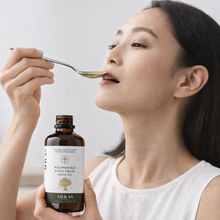
This is exactly the "food-level, daily, dietary" pattern this whole post is about. Arkas High Polyphenol EVOO — based on producer-provided laboratory testing showing over 800mg/kg of total polyphenols — is a daily Mediterranean dietary oil that fits this pattern: a food source of olive polyphenols, used daily as part of your overall nutrition, in the way the research actually supports.
Bottom line: the strongest polyphenol evidence is for daily food intake supporting general health — not for mega-dosed antioxidants chasing faster recovery.
The honest summary
Recovery is where fitness is built, and it's natural to want to support it. But with antioxidants, the smartest move is the least dramatic one. A little oxidative stress is part of the adaptation signal, so flooding your system with high-dose antioxidants around training can blunt the gains you're working for. The research is clear on that, even while it's mixed on whether polyphenol supplements help athletes at all.
The genuinely supported approach: get your polyphenols from whole foods, daily, at normal dietary levels — the way the Mediterranean diet has delivered them for millennia. The polyphenols in a whole-food honey gel, or in a daily spoon of high-polyphenol olive oil, fit that pattern perfectly. Modest, food-level, part of a balanced diet. That's not a flashy claim — but it's the true one, and it's the one that actually serves your training.
Curious to build food-level Mediterranean polyphenols into your daily nutrition? Explore Arkas High Polyphenol EVOO for daily use, and the Nomad Honey Gel Starter Kit for whole-food fuel on your sessions. As always — test any new fuel in training first, never for the first time on race day.
