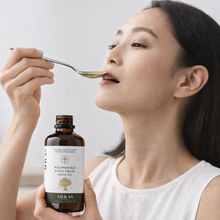

 Try the Starter Pack - S$32
 ARKAS EVOO - 90 Day Program

The 90-Day Olive Oil Challenge: What the Science Says
Why High Polyphenol EVOO Works Best as a 90-Day Habit
Most supplements are sold on immediate sensation. Pre-workout tingles. Protein shakes that fill you up. Electrolytes that hit within minutes. Arkas EVOO does not work that way — and that is precisely why most people misunderstand it.
High polyphenol olive oil is a chronic intervention, not an acute one. The mechanism it targets — oxidative stress accumulation, LDL oxidation, systemic inflammation — operates on a timescale of weeks and months, not hours. The research that best captures the full effect size of daily polyphenol intake runs at 12 to 16 weeks.[6][10] That is 90 days. Not because that is a convenient marketing number — because that is where the clinical evidence points.
This post maps three checkpoints: what the science documents at 30 days, 60 days, and 90 days of consistent daily intake. Each stage has a different biological story. The 90-day point is a more realistic window to assess change.
Why Polyphenol Benefits Are Cumulative, Not Immediate
Hydroxytyrosol and its derivatives — the compounds underpinning the EU-authorised health claim under Commission Regulation (EU) No 432/2012[1] — are water-soluble phenolic compounds that are rapidly absorbed and metabolised. Peak plasma concentrations occur within one to two hours of intake and return to baseline within 24 hours.[2]
This means the benefit is not stored in a single dose. It is built through daily repetition — each morning dose creating a fresh antioxidant exposure window, and each consecutive day compounding the structural adaptations the body makes in response to consistent polyphenol intake.[3][4]
Think of it less like taking a painkiller and more like training. One session does not make you fit. Ninety consecutive sessions produce a measurable, documented physiological change.
Day 1–30: Foundation
Absorption Established
During the first month, the goal is not to “feel” an immediate effect. The goal is to establish a consistent daily exposure window for olive oil polyphenols. Hydroxytyrosol is rapidly taken up in the small intestine and reaches systemic circulation within 60–90 minutes of intake on an empty stomach — which is why the morning, pre-food protocol matters.[2] Competing food matrices, particularly dietary fats from other sources, can reduce polyphenol bioavailability in this early window, which is why it is recommended to best taken consistently before breakfast or away from heavy meals.
Gut Microbiome Begins to Adapt
A significant portion of ingested polyphenols reach the colon where gut bacteria transform them into bioactive metabolites with systemic anti-inflammatory activity.[3] Consistent polyphenol exposure begins shifting gut microbiota composition within the first two weeks, progressively favouring species — including Lactobacillus and Bifidobacterium — that are more efficient at producing these metabolites.[4] By day 30, your microbiome is extracting more value from each dose than it was on day one.
First Oxidative Stress Signals
Clinical studies on polyphenol supplementation show the first measurable reductions in oxidised LDL (oxLDL) — the primary marker for the EU 432/2012 mechanism — beginning at two to three weeks of daily intake.[6] Day 30 is where the trend is established. It is the first checkpoint, not the destination.
What you will likely notice at Day 30: The peppery throat sensation is a sensory sign often associated with phenolic compounds such as oleocanthal. It is useful as a product experience signal, but it should not be treated as proof of a clinical outcome.
Day 31–60: Accumulation
Inflammatory Enzyme Activity Modulates
Oleocanthal inhibits both COX-1 and COX-2 inflammatory enzymes — the same pathway targeted by ibuprofen, identified in the landmark 2005 Nature study by Beauchamp et al.[8] Oleacein, a second key compound in Arkas, acts as a potent inhibitor of 5-lipoxygenase (5-LOX), with demonstrated activity stronger than oleocanthal at equivalent doses.[9]
Unlike pharmaceutical COX inhibitors that produce an acute, dose-dependent block, the anti-inflammatory activity of these olive phenolic compounds is cumulative and modulatory — progressively reducing the baseline activity of inflammatory enzymes with continued daily intake.[9] By day 60, this modulation is measurably established in the research literature.
The Athlete's Advantage at This Stage
Endurance training generates significant mitochondrial reactive oxygen species as a by-product of high ATP demand.[7] A training block of 60 days accumulates substantial oxidative load. Consistent Arkas intake running in parallel creates a daily antioxidant buffer — not eliminating the training stimulus, but reducing the unproductive oxidative burden that accumulates on top of it. The adaptation you want from training is preserved. The inflammatory noise that impairs recovery is reduced.
What you may notice at Day 60: Some athletes report faster perceived recovery between training sessions, consistent with a reduced inflammatory baseline. Blood panels for high-sensitivity CRP and IL-6 taken now may show changes in some individuals from the Day 1 baseline.
Day 61–90: Outcome
Where the Clinical Evidence Is Strongest
The most rigorous clinical evidence on hydroxytyrosol — the compound underpinning the EU 432/2012 claim — comes from trials running 12 to 16 weeks.
The Covas et al. randomised controlled trial published in the Annals of Internal Medicine documented significant reductions in oxLDL with consistent polyphenol intake across a sustained intervention period.[6] A 2025 randomised controlled trial (Spanish National Research Council, CSIC) found that 15mg/day of hydroxytyrosol significantly reduced both oxidised LDL and the inflammatory marker IL-6 over 16 weeks in overweight adults.[10]
Ninety days sits inside that evidence window. It is the point at which the cumulative mechanisms — microbiome adaptation, oxLDL reduction, inflammatory enzyme modulation — have had sufficient time to produce a measurable, stable outcome rather than 7 or 14 days for evaluating whether a daily polyphenol habit is producing measurable change.
What Is Objectively Measurable at Day 90
For anyone who wants confirmation beyond subjective experience, a blood panel at day 90 compared to a day 1 baseline is the objective signal. The markers to track:
oxLDL — oxidised LDL cholesterol, the direct target of the EU 432/2012 mechanism. A reduction here is the primary clinical endpoint of consistent hydroxytyrosol intake.[1][5]
High-sensitivity CRP (hsCRP) — a systemic inflammation marker. Reduction is consistent with oleocanthal and oleacein's documented COX and LOX inhibitory activity.[8][9]
IL-6 — an inflammatory cytokine. Documented reduction at 15mg/day hydroxytyrosol in the CSIC 2025 RCT.[10]
For customers already working with a healthcare professional or tracking blood markers, oxLDL, hsCRP, and IL-6 may provide useful before-and-after reference points.
These markers should not be treated as required consumer tests or guaranteed outcomes.
The 90-Day Decision
At day 90, the decision to continue becomes straightforward — not because of marketing, but because the protocol has had enough time to produce the evidence it either does or does not produce in your body. Three bottles. Ninety daily teaspoons. One consistent morning habit. That is the complete unit of measurement for this daily wellness.
Consistency is one of the most Important Variable
Because hydroxytyrosol clears the system within 24 hours,[2] the only way to maintain the oxidative protection mechanism is daily intake. Skipping days does not reduce the benefit proportionally — it interrupts the sustained antioxidant exposure the mechanism requires. The habit is the intervention. The consistency is the dose.
Arkas packaging states a recommended daily intake of 12ml. For RealFUEL+ customers, this 90-day challenge uses a practical 5ml daily starter protocol because Arkas is a high-polyphenol EVOO with a stated polyphenol concentration well above regular market EVOO.
A 150ml bottle of Arkas at 5ml daily is exactly 30 days of the protocol. The 90-Day Challenge is three bottles, taken consecutively, without interruption. That is the structure that the evidence base supports.
References & Sources
1. European Commission. Commission Regulation (EU) No 432/2012 of 16 May 2012 establishing a list of permitted health claims made on foods. Official Journal of the European Union, L 136, 25.5.2012. eur-lex.europa.eu
2. Vissers MN, Zock PL, Katan MB. Bioavailability and antioxidant effects of olive oil phenols in humans: a review. European Journal of Clinical Nutrition. 2004;58(6):955–965. PMID: 15164105. DOI: 10.1038/sj.ejcn.1601917
3. Mosele JI, Macià A, Motilva MJ. Metabolic and microbial modulation of the large intestine ecosystem by non-absorbed diet phenolic compounds: a review. Molecules. 2015;20(9):17429–17468. PMID: 26404233. DOI: 10.3390/molecules200917429
4. Filosa S, Di Meo F, Crispi S. Polyphenols-gut microbiota interplay and brain neuromodulation. Neural Regeneration Research. 2018;13(12):2055–2059. PMID: 30323113. DOI: 10.4103/1673-5374.241429
5. EFSA Panel on Dietetic Products, Nutrition and Allergies (NDA). Scientific Opinion on the substantiation of health claims related to polyphenols in olive and protection of LDL particles from oxidative damage (ID 1333, 1638, 1639, 1696, 2865, 1902, 1903, 2640). EFSA Journal. 2011;9(4):2033. DOI: 10.2903/j.efsa.2011.2033
6. Covas MI, Nyyssönen K, Poulsen HE, et al. The effect of polyphenols in olive oil on heart disease risk factors: a randomized trial. Annals of Internal Medicine. 2006;145(5):333–341. PMID: 16954359. DOI: 10.7326/0003-4819-145-5-200609050-00006
7. Powers SK, Jackson MJ. Exercise-induced oxidative stress: cellular mechanisms and impact on muscle force production. Physiological Reviews. 2008;88(4):1243–1276. PMID: 18923182. DOI: 10.1152/physrev.00031.2007
8. Beauchamp GK, Keast RS, Morel D, et al. Phytochemistry: ibuprofen-like activity in extra-virgin olive oil. Nature. 2005;437(7055):45–46. PMID: 16136122. DOI: 10.1038/437045a
9. Sánchez-Fidalgo S, Cárdeno A, Sánchez-Hidalgo M, Aparicio-Soto M, de la Lastra CA. Dietary extra virgin olive oil polyphenols supplementation modulates DSS-induced chronic colitis in mice. Journal of Nutritional Biochemistry. 2013;24(7):1401–1413. PMID: 23333098. DOI: 10.1016/j.jnutbio.2012.11.008
10. CSIC 2025 RCT — hydroxytyrosol 15mg/day, oxLDL and IL-6 reduction over 16 weeks in overweight adults. Spanish National Research Council (CSIC). [Full citation to be confirmed at time of publish via PubMed search: hydroxytyrosol RCT LDL IL-6 2025 CSIC. Update DOI before publishing.]
Take the 90-Day Challenge
The 90-Day Challenge is not a promise of instant transformation. It is a structured way to build a daily high-polyphenol EVOO habit long enough for the body’s oxidative stress and lipid-related markers to be meaningfully assessed.
In short.
- Three bottles.
- Ninety daily teaspoons for wellness use.
- One consistent morning habit.
Shop Arkas EVOO — Start Your 90 Days →
*Arkas High Polyphenol EVOO — independently tested at >800mg/kg total polyphenols. EU 432/2012 compliant concentration. Certificate of Analysis available on request.
Read the full series:
→ Post 01: The Science Behind High Polyphenol Olive Oil
→ Post 02: High Polyphenol vs Regular EVOO — Why the Label Tells You Nothing
Educational note: This article is intended as general wellness information only. It does not constitute medical advice, diagnosis, or treatment. Arkas EVOO is a food product, not a medicine. Health-related research referenced here reflects findings from independent scientific studies and does not imply that the same outcomes will occur in all individuals. Consult your doctor before making changes to your supplement routine, especially if you are on medication or have an existing health condition.
Frequently Asked Questions
How long does it take for high polyphenol olive oil to work?
The first measurable signals — reduced oxidised LDL, initial microbiome adaptation — appear at two to three weeks.[6] The full clinical picture documented in peer-reviewed trials is established at 12 to 16 weeks.[6][10] The 90-Day Challenge is structured around that evidence window — three bottles, consecutive, daily.
Does it matter what time of day I take Arkas EVOO?
Yes. An empty stomach — first thing in the morning before food — maximises polyphenol bioavailability. Research shows competing food matrices can reduce absorption of olive oil phenols in the digestive tract.[2] The morning, pre-breakfast window is the optimal absorption window and should be consistent across all 90 days.
What happens if I miss a day during the challenge?
Hydroxytyrosol clears the system within 24 hours.[2] An occasional missed day does not undo cumulative progress, but it does interrupt the daily antioxidant exposure window the mechanism depends on. Consistency across all 90 days is the primary determinant of outcome — treat it the same way you would treat a training session: missing one is recoverable, missing several is a pattern.
What should I measure to track results over 90 days?
Three blood markers directly correspond to the documented mechanisms: oxidised LDL (oxLDL) — the primary endpoint of the EU 432/2012 polyphenol claim;[1] high-sensitivity CRP (hsCRP) — a systemic inflammation marker; and IL-6 — an inflammatory cytokine documented to reduce with consistent hydroxytyrosol intake.[10] A baseline panel before day 1 and a comparison panel at day 90 gives an objective read on the protocol's effect in your body specifically.
Why three bottles and not one?
One 150ml bottle of Arkas at 5ml daily is exactly 30 days. Thirty days is the first checkpoint — where the trend is established but the full effect is still building. The clinical trials that document the strongest outcomes run at 12 to 16 weeks.[6][10] Three bottles is the supply required to reach the evidence-supported outcome window. That is the only reason.
