
 Try the Starter Pack - S$32
 ARKAS EVOO - 90 Day Program

High Polyphenol Olive Oil and Gut Health
Olive Oil and Gut Health: A Closer Look at Polyphenols
When people think about high-polyphenol olive oil, they often think first about cardiovascular wellness. That is still the best-established area of interest, especially the authorised EU claim on olive oil polyphenols and protection of blood lipids from oxidative stress. But researchers are also looking at another dimension of polyphenols: their relationship with the gut microbiome.
A portion of the polyphenols in Arkas may travel beyond the small intestine and reach the colon, where they can interact with gut microorganisms. There, they may be transformed into smaller metabolites that are still being studied for their role in digestive and metabolic health. This is one reason polyphenol-rich foods continue to attract attention in nutrition research.
Why the Gut Microbiome Matters
The gut microbiome is the community of microorganisms living mainly in the large intestine. It plays an active role in many areas of human biology, including digestion, metabolism, immune signalling, and the gut-brain axis.
What you eat consistently can influence the balance and activity of the microbiome over time. That is why nutrition researchers continue to study dietary fibre, fermented foods, and polyphenol-rich plant foods as part of a broader picture of gut health.
What Happens to Polyphenols
Not all polyphenols are handled the same way by the body. Some are absorbed earlier in the digestive tract, while others continue further down and are metabolised by gut bacteria in the colon.
This process is one reason polyphenols are so interesting to researchers. In simple terms, they may interact with the gut in more than one way: first through what is absorbed, and then through what is transformed by the microbiome. The exact effects vary depending on the compound, the dose, and the individual.
A Two-Way Relationship
The relationship between polyphenols and gut bacteria appears to run in both directions. Polyphenols may influence which microbes thrive, while the microbiome may influence how effectively those compounds are broken down and used.
Some studies have explored links between polyphenol intake and changes in bacterial groups often discussed in relation to gut health, including Lactobacillus, Bifidobacterium, and Akkermansia. These findings are promising, but they are not uniform across all people or all studies. Diet, lifestyle, and baseline microbiome composition all matter.
Why Arkas Stands Out
Arkas contains naturally occurring olive polyphenols, including compounds such as oleocanthal and oleacein. These compounds have been studied for their biochemical properties in laboratory settings and continue to be of scientific interest.
What makes high-polyphenol extra virgin olive oil distinctive is not just that it is olive oil, but that it brings together traditional culinary use with a concentrated polyphenol profile. For people who value daily wellness habits, that makes it an easy addition to a consistent routine.
Arkas is supported by producer-provided laboratory testing showing >800mg/kg total polyphenols. RealFUEL+ uses this conservative figure in educational content, while Arkas packaging states a higher polyphenol level.
A Consistent Daily Habit
In nutrition, consistency often matters more than occasional use. That is especially true when looking at dietary patterns and the microbiome, where change tends to reflect sustained habits over time.
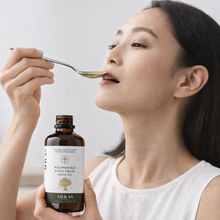
That is why many people choose to make high-polyphenol olive oil part of a regular morning routine. A simple daily teaspoon can be an easy way to include polyphenol-rich extra virgin olive oil as part of a balanced lifestyle.
*RealFUEL+ daily wellness uses one teaspoon, approximately 5ml, as a practical starter protocol for daily habit-building. Arkas packaging states a recommended daily intake of 12ml.
For Singapore Lifestyles
Singapore’s food culture is wonderfully diverse, but modern eating patterns can still leave room for more plant diversity, fibre, and fermented foods. In that context, some people choose to add polyphenol-rich foods to help round out their daily nutrition habits.
Arkas fits naturally into that approach. It offers a simple, everyday way to bring high-polyphenol extra virgin olive oil into a routine without changing the rest of your meals.
The Takeaway
Olive oil polyphenols are best known for their role in the authorised blood lipid oxidation claim, but the science around the microbiome adds another layer of interest. Researchers are continuing to explore how these compounds interact with the gut, and why consistency may matter over time.
Arkas is designed for people who want more from their olive oil — not just a kitchen staple, but a high-polyphenol daily habit that fits into a thoughtful wellness routine.
Build Your Daily Polyphenol Habit — Start With One Teaspoon
Arkas High Polyphenol EVOO is available in Singapore through RealFUEL+. It is supported by producer-provided laboratory testing showing >800mg/kg total polyphenols, with Certificate of Analysis available on request.
Start with one teaspoon every morning for 90 days as the RealFUEL+ practical starter protocol, or follow the manufacturer’s stated 12ml recommended daily intake.
Shop Now - 90 Days Wellness Program
Read the full series:
Post 01: The Science Behind High Polyphenol Olive Oil
Post 02: High Polyphenol vs Regular EVOO — Why the Label Tells You Nothing
Post 03: The 90-Day Olive Oil Challenge — What the Science Says
Post 04: High Polyphenol Olive Oil in Singapore — A Daily Wellness Habit Worth Starting
Educational note: This article is intended as general wellness information only. It does not constitute medical advice, diagnosis, or treatment. Arkas EVOO is a food product, not a medicine. Research referenced here reflects findings from independent scientific studies and does not imply that the same outcomes will occur in all individuals. Individual responses vary. Consult your doctor before starting any new supplement protocol, especially if you are on medication or have an existing health condition.
References & Sources
- European Commission. Commission Regulation (EU) No 432/2012 of 16 May 2012 establishing a list of permitted health claims made on foods. Official Journal of the European Union, L 136, 25.5.2012. eur-lex.europa.eu
- Mosele JI, Macià A, Motilva MJ. Metabolic and microbial modulation of the large intestine ecosystem by non-absorbed diet phenolic compounds: a review. Molecules. 2015;20(9):17429–17468. PMID: 26404233. DOI: 10.3390/molecules200917429
- Cryan JF, O'Riordan KJ, Cowan CSM, et al. The microbiota-gut-brain axis. Physiological Reviews. 2019;99(4):1877–2013. PMID: 31460832. DOI: 10.1152/physrev.00018.2018
- Sonnenburg JL, Bäckhed F. Diet-microbiota interactions as moderators of human metabolism. Nature. 2016;535(7610):56–64. PMID: 27383980. DOI: 10.1038/nature18846
- Tuck KL, Hayball PJ. Major phenolic compounds in olive oil: metabolism and health effects. Journal of Nutritional Biochemistry. 2002;13(11):636–644. PMID: 12550068. DOI: 10.1016/S0955-2863(02)00229-2
- Barroso E, Sánchez-Patán F, Martín-Álvarez PJ, et al. Lactobacillus plantarum IFPL935 impacts colonic metabolism in a simulator of the human gut microbiota during feeding with red wine polyphenols. Applied Microbiology and Biotechnology. 2013;97(15):6805–6815. PMID: 23423640. DOI: 10.1007/s00253-013-4705-3
- Dueñas M, Muñoz-González I, Cueva C, et al. A survey of modulation of gut microbiota by dietary polyphenols. BioMed Research International. 2015;2015:850902. PMID: 26504820. DOI: 10.1155/2015/850902
- Beauchamp GK, Keast RS, Morel D, et al. Phytochemistry: ibuprofen-like activity in extra-virgin olive oil. Nature. 2005;437(7055):45–46. PMID: 16136122. DOI: 10.1038/437045a
- Sánchez-Fidalgo S, Cárdeno A, Sánchez-Hidalgo M, Aparicio-Soto M, de la Lastra CA. Dietary extra virgin olive oil polyphenols supplementation modulates DSS-induced chronic colitis in mice. Journal of Nutritional Biochemistry. 2013;24(7):1401–1413. PMID: 23333098. DOI: 10.1016/j.jnutbio.2012.11.008
FAQ
Does olive oil support gut health?
Research is exploring how polyphenols in olive oil may interact with the gut microbiome. The science is promising, but outcomes can vary from person to person.
What is the connection between polyphenols and gut bacteria?
Polyphenols may influence microbial composition, and the microbiome may influence how polyphenols are metabolised. This is an active area of nutrition research.
Is high-polyphenol olive oil a probiotic or prebiotic?
No. It is not a probiotic or a prebiotic. It is a food oil that naturally contains polyphenols, which are being studied for their interactions with digestion and the microbiome.
Why take it every day?
Consistency is often important in nutrition because dietary habits tend to work over time. A daily routine makes it easier to keep a polyphenol-rich food in your lifestyle.
