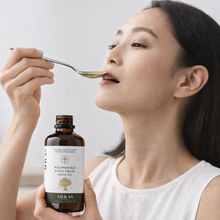

 Try the Starter Pack - S$32
 ARKAS EVOO - 90 Day Program

How to Store High Polyphenol EVOO After Opening.
How to Store High Polyphenol EVOO After Opening.
You have invested in a high polyphenol EVOO. The polyphenol content — verified at more than 800mg/kg in Arkas through producer-provided laboratory testing — is what you are paying for.
What most people do not realise is that polyphenols are among the most sensitive components in olive oil. Heat, light, air exposure, and time all work against them.
Store your Arkas incorrectly, and the polyphenol content may decline faster than expected.
This post answers the questions we hear most often from customers: how should I store it after opening, does it go in the fridge, can I freeze it, how long does it last, and how do I know if it has lost its potency?
Why Polyphenols Degrade — The Four Enemies
Polyphenolic compounds in olive oil are not shelf-stable indefinitely. Research has identified four primary drivers of polyphenol degradation — all of which are relevant to how you store your bottle after opening.[1]
1. Heat
Temperature is the most significant factor in polyphenol degradation during storage. Research tracking polyphenol content in olive oil stored at different temperatures consistently shows accelerated loss at higher temperatures — oils stored at 25°C lose polyphenol content meaningfully faster than oils stored at cooler temperatures over the same period.[2]
In Singapore's ambient conditions — typically 28–32°C indoors without air conditioning — an open bottle left on a kitchen bench is in a warm storage environment that will accelerate polyphenol loss.
What to do: Store Arkas away from heat sources — not near the stove, not on a windowsill, not in a cabinet above cooking appliances. A cool cupboard or air-conditioned kitchen shelf is meaningfully better than a warm bench.
2. Light
Light — particularly UV light — drives photo-oxidation of polyphenolic compounds. Research has shown that olive oil stored in clear glass or plastic containers exposed to light degrades faster than oil stored in dark glass or opaque packaging.[3] Arkas is packaged in a box specifically to shield the bottle from light during storage — this is not decorative. Once the box is opened, the protection is reduced.
What to do: Keep Arkas in its box between uses, or store the bottle in a cupboard away from natural and artificial light. Do not display it on an open kitchen shelf where it is exposed to light throughout the day.
3. Oxygen
Every time the bottle is opened, oxygen enters and begins oxidising the oil's bioactive compounds — including polyphenols. Research confirms that headspace oxygen — the air gap between the oil surface and the bottle cap — is a significant contributor to polyphenol degradation over time.[1] As the bottle empties, the headspace increases and oxidation accelerates.
What to do: Replace the cap firmly after each use. Do not leave the bottle open. For the final quarter of the bottle — where headspace is largest — consider consuming the remainder promptly rather than extending use over additional weeks.
4. Time
Even under ideal storage conditions, polyphenols degrade over time. Research tracking polyphenol content across 21 months of olive oil storage found progressive loss across all storage conditions, with the rate of loss influenced by temperature, light exposure, and oxygen contact.[2] An oil with a best-before date two years away still has a meaningful polyphenol shelf life — but the content at month 20 is lower than at month one, even if the oil is technically within date.
What to do: Check the best-before date on your Arkas bottle. The closer to the harvest and pressing date, the higher the polyphenol content is likely to be. For a supplement you are taking specifically for polyphenol activity, freshness matters more than for a culinary oil.
Should You Refrigerate Arkas EVOO?
No — and in Singapore's context, refrigeration can create more confusion than it solves.
While lower temperatures do slow oxidation in a laboratory setting, Arkas does not require refrigeration and the producer does not recommend it.
More practically for Singapore consumers: olive oil stored in the fridge will solidify and turn cloudy as the natural waxes in the oil respond to cold temperatures.
This is harmless — but it looks alarming, and customers who have not been told to expect it frequently assume the product has spoiled. It has not, but the experience creates unnecessary doubt about a product that is perfectly fine.
The correct approach for Singapore is simpler and more practical: store Arkas away from the two primary enemies — heat and direct light. A shaded corner shelf, a cool kitchen cupboard away from cooking appliances, or any ventilated spot that does not receive direct sunlight is sufficient.
You do not need a fridge. You need to keep it away from the stove, out of direct light, and sealed after each use.
Where to store: Cool, ventilated shelf or cupboard — away from heat sources and direct sunlight.
Where not to store: Next to or above the stove, on a sunny windowsill, in a hot cabinet above cooking appliances, or in any spot that gets warm during cooking.
Can You Freeze Olive Oil?
It is not advisable — and not necessary for Arkas.
While olive oil will not be chemically damaged by freezing, the practical experience is problematic: the oil solidifies completely and turns opaque white, which looks like the product has spoiled. For a 150ml bottle consumed one teaspoon at a time over 30 days, freezing serves no useful purpose. The correct storage habit — cool, dark, sealed, away from heat — is entirely sufficient to preserve polyphenol content across a single bottle's consumption window.
Freezing is not recommended and not part of the Arkas storage guidance. Keep it simple: cool shelf, away from light, cap sealed after every use.
How Long Does Arkas Last After Opening?
Arkas comes in a 150ml bottle. At the RealFUEL+ starter protocol of one teaspoon (5ml) daily, one bottle lasts exactly 30 days — which also maps to the first checkpoint in the 90-day habit framework.
From a polyphenol preservation standpoint, 30 days is a manageable window — particularly with correct storage. Research on polyphenol stability in opened bottles suggests that losses over a 30-day period under proper cool, dark, sealed conditions are less significant than losses from poor storage practices over a shorter period.[1][2]
The practical implication: If you are storing correctly — cool, sealed, and away from light, heat— you do not need to rush through a bottle. If you have been storing it on a warm kitchen bench in sunlight with a loose cap, the polyphenol content has likely degraded more significantly than the time elapsed would suggest.
How to Know If Your Arkas Is Still Active
This is where the sensory signal described in Post 05 becomes directly useful as a quality check.
Oleocanthal — one of the five active compounds in Arkas — produces the characteristic peppery throat burn that high polyphenol EVOO is known for.
Oleocanthal is also one of the more volatile polyphenolic compounds and its sensory presence is a useful sensory sign that the oil still retains its phenolic character..[5]
If the throat burn is present and noticeable: the oil is still delivering active polyphenol content.
If the throat burn has significantly diminished or disappeared on a bottle that is not yet finished: this is a signal that polyphenol content may have degraded — most likely due to heat, light, or oxygen exposure during storage, or because the bottle is old relative to the harvest date.
A fresh, correctly stored bottle of Arkas should produce a clear, noticeable peppery sensation that moderates with familiarity over the first two weeks but does not disappear entirely. If the oil tastes flat and mild, like a standard cooking olive oil, the polyphenol activity has likely been compromised.
Singapore-Specific Storage Notes
Singapore's climate creates specific storage considerations that do not apply in most of the markets where European EVOO storage guidance is written.
Ambient temperature: Singapore's indoor temperature without air conditioning typically sits at 28–32°C. This is warmer than the 15–20°C typical of a European kitchen, and warmer than the 25°C used as a warm storage benchmark in research.[2] The practical implication is that a cool, ventilated spot away from cooking heat is more important in Singapore than in cooler climates — and that storing Arkas in a hot cabinet or on a bench near the stove will accelerate polyphenol loss more quickly than it would in a temperate kitchen.
What "cool" means in Singapore context: You do not need air conditioning or a fridge. You need to avoid the warm zones in a Singapore kitchen — directly beside or above the stove, in cabinets where heat from cooking accumulates, and on surfaces that receive prolonged direct sunlight through windows. A shaded shelf or ventilated corner cupboard away from cooking activity is the practical target.
Humidity: Singapore's high humidity does not directly affect polyphenol content but can affect cap seal integrity over time. Ensure the cap is clean and airtight after each use.
Storage Quick Reference
Where: Cool, ventilated shelf or cupboard — shaded from direct sunlight and away from cooking heat.
Away from: Stove, oven, direct sunlight, hot cabinets above cooking appliances.
After each use: Cap firmly sealed. Return to storage spot immediately. Do not leave open or on a warm bench.
Fridge: Not required. Not recommended — cold temperatures cause the oil to solidify and turn cloudy, which is harmless but misleading.
Freezer: Not advisable. Not necessary for a 30-day consumption window.
Activity check: The peppery throat sensation is commonly associated with oleocanthal-rich EVOO. It can be a useful sensory cue, but it should not be treated as a precise measurement of total polyphenol content. Significantly reduced or absent burn on an unfinished bottle — check storage conditions and consider replacing.
Consumption window: One 150ml bottle at 5ml daily = 30 days. Consume within 30 days of opening for best polyphenol retention. Arkas packaging states a recommended daily intake of 12ml — at that rate one bottle lasts approximately 12–13 days.
References & Sources
- Gutierrez F, Varona I, Albi MA. Relation of acidity and sensory attributes of virgin olive oils stored under different conditions. Journal of Agricultural and Food Chemistry. 2000;48(4):1135–1140. PMID: 10775361. DOI: 10.1021/jf990721t
- Gómez-Alonso S, Mancebo-Campos V, Desamparados Salvador M, Fregapane G. Evolution of major and minor components and oxidation indices of virgin olive oil during 21 months storage at 25°C. Food Chemistry. 2007;100(1):36–42. DOI: 10.1016/j.foodchem.2005.09.006
- Méndez AI, Falqué E. Effect of storage time and container type on the quality of extra-virgin olive oil. Food Control. 2007;18(5):521–529. DOI: 10.1016/j.foodcont.2005.12.012
- Pristouri G, Badeka A, Kontominas MG. Effect of packaging material headspace, oxygen and light transmission, temperature and storage time on quality characteristics of extra virgin olive oil. Food Control. 2010;21(4):412–418. DOI: 10.1016/j.foodcont.2009.06.019
- Beauchamp GK, Keast RS, Morel D, et al. Phytochemistry: ibuprofen-like activity in extra-virgin olive oil. Nature. 2005;437(7055):45–46. PMID: 16136122. DOI: 10.1038/437045a
Fresh Bottle. Correct Storage. Protect the Polyphenols.
Arkas High Polyphenol EVOO is available in Singapore through RealFUEL+. It is supported by Arkas producer-provided laboratory testing showing >800mg/kg total polyphenols, with Certificate of Analysis available on request.
RealFUEL+ starter protocol: one teaspoon, approximately 5ml daily, on an empty stomach every morning. Arkas packaging states a recommended daily intake of 12ml.
Store cool, dark, and sealed after opening.
Shop Now - 90 Days Wellness Program
Read the full series:
→ Post 01: The Science Behind High Polyphenol Olive Oil
→ Post 02: High Polyphenol vs Regular EVOO — Why the Label Tells You Nothing
→ Post 03: The 90-Day Olive Oil Challenge — What the Science Says
→ Post 04: High Polyphenol Olive Oil in Singapore — A Daily Wellness Habit Worth Starting
→ Post 05: Why You Should Take Olive Oil on an Empty Stomach Every Morning
→ Post 06: Olive Oil and Gut Health — What Polyphenols May Do for Your Microbiome
→ Post 07: Olive Oil and Healthy Aging — What the Mediterranean Research Suggests
→ Post 08: High Polyphenol Olive Oil vs Fish Oil — Why They Are Not the Same
Educational note: This article is intended as general wellness information only. It does not constitute medical advice, diagnosis, or treatment. Arkas EVOO is a food product, not a medicine. Research referenced here reflects findings from independent scientific studies. Consult your doctor before starting any new supplement protocol.
Frequently Asked Questions
Should I refrigerate Arkas EVOO after opening?
A: No — refrigeration is not required and not recommended for Arkas. Cold temperatures cause the oil to solidify and turn cloudy, which is harmless but frequently alarming for customers who have not been told to expect it. The correct approach is to store Arkas in a cool, ventilated spot away from direct heat and sunlight — a shaded shelf or cupboard away from cooking appliances is sufficient. Keep the cap sealed after every use.
Why does olive oil go cloudy?
A: Olive oil turns cloudy when exposed to cold temperatures — the natural waxes in the oil solidify below around 10–12°C.[4] This is harmless and the clarity returns at room temperature. It is one reason refrigeration is not recommended for Arkas — the cloudiness can cause customers to assume the oil has spoiled, when it has not. Store Arkas at room temperature in a cool, shaded spot and this will not occur.
Can I freeze olive oil?
A: It is not advisable and not necessary. Freezing causes the oil to solidify completely and turn opaque white — which looks like the product has spoiled even though it has not. For a 150ml bottle consumed at 5ml daily over 30 days, correct room-temperature storage in a cool, shaded spot is entirely sufficient. Freezing is not part of Arkas storage guidance.
How long does Arkas last after opening?
A: At the RealFUEL+ starter protocol of 5ml daily, one 150ml bottle lasts 30 days. Research suggests polyphenol losses over a 30-day period under correct cool, dark, and sealed storage conditions are manageable.[1][2] Poor storage conditions — warm temperature, light exposure, loose cap — will accelerate losses significantly within that same window. Store correctly and consume within 30 days of opening for best polyphenol retention.
How do I know if my Arkas has lost its polyphenol activity?
A: The peppery throat burn from oleocanthal is the sensory indicator of active polyphenol content.[5] A fresh, correctly stored bottle should produce a clear, noticeable peppery sensation. If the burn has significantly diminished or is absent on a bottle that is not yet finished, polyphenol content may have degraded — most likely due to heat, light, or oxygen exposure during storage. A flat, mild taste similar to standard cooking olive oil is a signal that the polyphenol activity has likely been compromised.
Does the packaging protect the polyphenols?
A: Yes — the Arkas box and dark bottle are specifically designed to reduce light exposure, which is one of the primary drivers of photo-oxidation in olive oil.[3] Keep the bottle in its box between uses, or store in a dark cupboard. Once opened and exposed to regular light and air, the protection of the packaging is reduced — correct storage habits after opening matter more than the packaging alone.
